
Effective Strategies and Resilience Building Techniques to Manage Stress
Stress is an inevitable part of life. Whether it comes from work, relationships, or unexpected challenges, how you respond to stress can make a significant difference in your well-being. Building resilience is key to managing stress effectively and maintaining emotional strength. Over time, resilience helps you bounce back from difficulties and face future challenges with greater confidence.
In this post, I will share practical resilience building techniques that you can apply in your daily life. These strategies are designed to help you develop a stronger mental and emotional foundation, enabling you to handle stress more effectively.
Understanding Resilience Building Techniques
Resilience is not something you are simply born with; it is a skill that you can develop. Resilience building techniques focus on strengthening your ability to adapt to adversity, recover from setbacks, and maintain a positive outlook. These techniques often involve changes in mindset, behaviour, and lifestyle.
Some common resilience building techniques include:
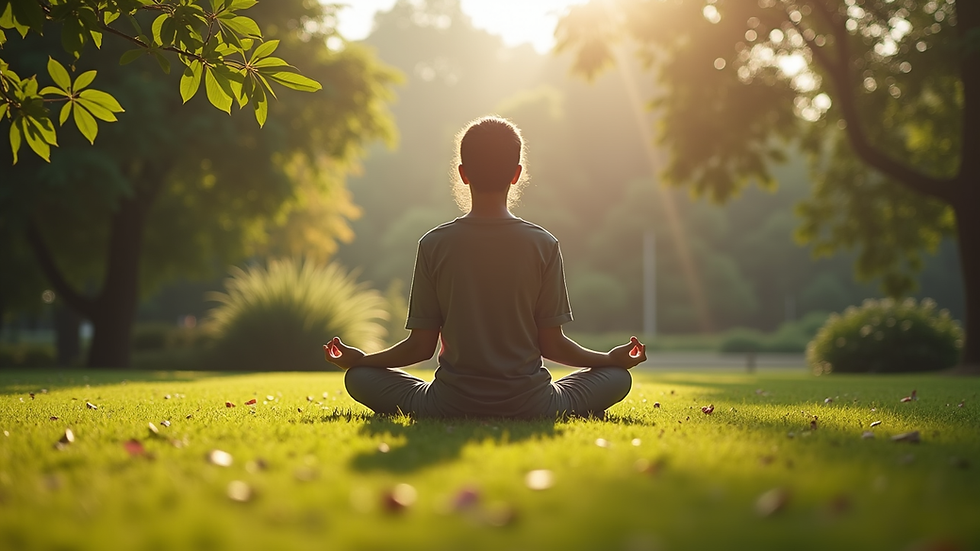
Mindfulness and meditation: These practices help you stay present and reduce anxiety.
Physical activity: Exercise improves mood and reduces stress hormones.
Social connections: Building strong relationships provides emotional support.
Problem-solving skills: Learning to approach challenges methodically reduces overwhelm.
Self-care routines: Prioritising rest, nutrition, and hobbies supports overall well-being.
By incorporating these techniques into your life, you create a buffer against stress and improve your capacity to cope with difficult situations.
What are 5 ways of building resilience?
Here are five effective ways to build resilience that you can start practising today:
Develop a strong support network
Surround yourself with people who listen, encourage, and understand you. This network can include family, friends, colleagues, or support groups. When stress hits, having someone to talk to can lighten the emotional load.
Practice positive thinking
Resilient people tend to focus on what they can control and look for opportunities in challenges. Try to reframe negative thoughts by asking yourself what you can learn from the situation or how it might help you grow.
Set realistic goals
Break down large problems into smaller, manageable steps. Setting achievable goals helps you maintain motivation and reduces feelings of helplessness.
Maintain physical health
Regular exercise, balanced nutrition, and sufficient sleep are foundational to resilience. When your body feels strong, your mind is better equipped to handle stress.
Learn stress management techniques
Techniques such as deep breathing, progressive muscle relaxation, or journaling can help you calm your mind and process emotions effectively.
These five ways are interconnected and reinforce each other. For example, physical health supports mental clarity, which in turn helps you maintain positive thinking and set realistic goals.
Building Emotional Strength Through Daily Habits
Building resilience is a gradual process that benefits from consistent effort. Incorporating small, daily habits can make a big difference over time. Here are some habits to consider:
Start your day with intention: Spend a few minutes each morning setting a positive intention or goal for the day. This practice helps you focus and reduces anxiety about the unknown.
Keep a gratitude journal: Writing down things you are grateful for shifts your attention away from stressors and fosters a more optimistic mindset.
Limit exposure to negative news: While staying informed is important, constant exposure to distressing news can increase stress. Set boundaries on how much news you consume daily.
Engage in hobbies and creative activities: Doing things you enjoy provides a mental break and boosts your mood.
Practice self-compassion: Treat yourself with kindness, especially when things don’t go as planned. Avoid harsh self-criticism and acknowledge your efforts.
By embedding these habits into your routine, you gradually build emotional strength and resilience.

How to Build Resilience to Stress: Practical Recommendations
If you want to learn more about how to build resilience to stress, consider exploring resources that offer evidence-based psychological support. One effective approach is to seek guidance from professionals who specialise in resilience training and mental well-being.
Here are some practical recommendations to get started:
Attend workshops or online courses focused on stress management and resilience.
Consult a psychologist or counsellor who can tailor strategies to your unique needs.
Join community groups or support networks that encourage sharing and mutual support.
Use apps or tools designed to promote mindfulness, relaxation, and emotional tracking.
Remember, building resilience is a journey. It requires patience and persistence, but the benefits to your mental health and quality of life are well worth the effort.
Strengthening Your Resilience for a Healthier Future
Resilience is a powerful tool that helps you navigate life’s ups and downs with greater ease. By adopting resilience building techniques, you empower yourself to face stress with confidence and maintain emotional balance.
Start by incorporating small changes into your daily routine. Focus on building strong relationships, practising positive thinking, and taking care of your physical and emotional health. Over time, these efforts will create a solid foundation for resilience.
If you ever feel overwhelmed, remember that seeking support is a sign of strength, not weakness. Professional help can provide you with additional tools and guidance tailored to your situation.
Building resilience is not about avoiding stress but learning to manage it effectively. With the right strategies, you can enhance your mental well-being and enjoy a more balanced, fulfilling life.


Comments